

The Youth Wing of the WNPS Highlights the Need for Urgent Environmental Reform
The Youth Wing of the Wildlife and Nature Protection Society of Sri Lanka (WNPS), in partnership with USAID, recently conducted an exciting exhibition titled Tales of Conservation. This platform, in quite an exceptional manner, utilized art as an effective tool in the pursuit of triggering eco-consciousness amongst masses. The exhibition consisted of a variety of works that included, but were not limited to, paintings, sculpture, and digital artwork, all of which addressed issues like recycling, conservation, climate change, education, and policies on the environment. These pieces provided both a visual appeal and gave us an opportunity to witness the chance to think about new ways of solving several problems affecting the environment.
However, the event was not simply an issue of looking at art. It evolved into a discussion space with environmental scientists, policy makers, and activists leading engaging conversations. Participants in working groups addressed these concerns and developed practical and feasible ways to deal with th environmental issues presented in the creative works.
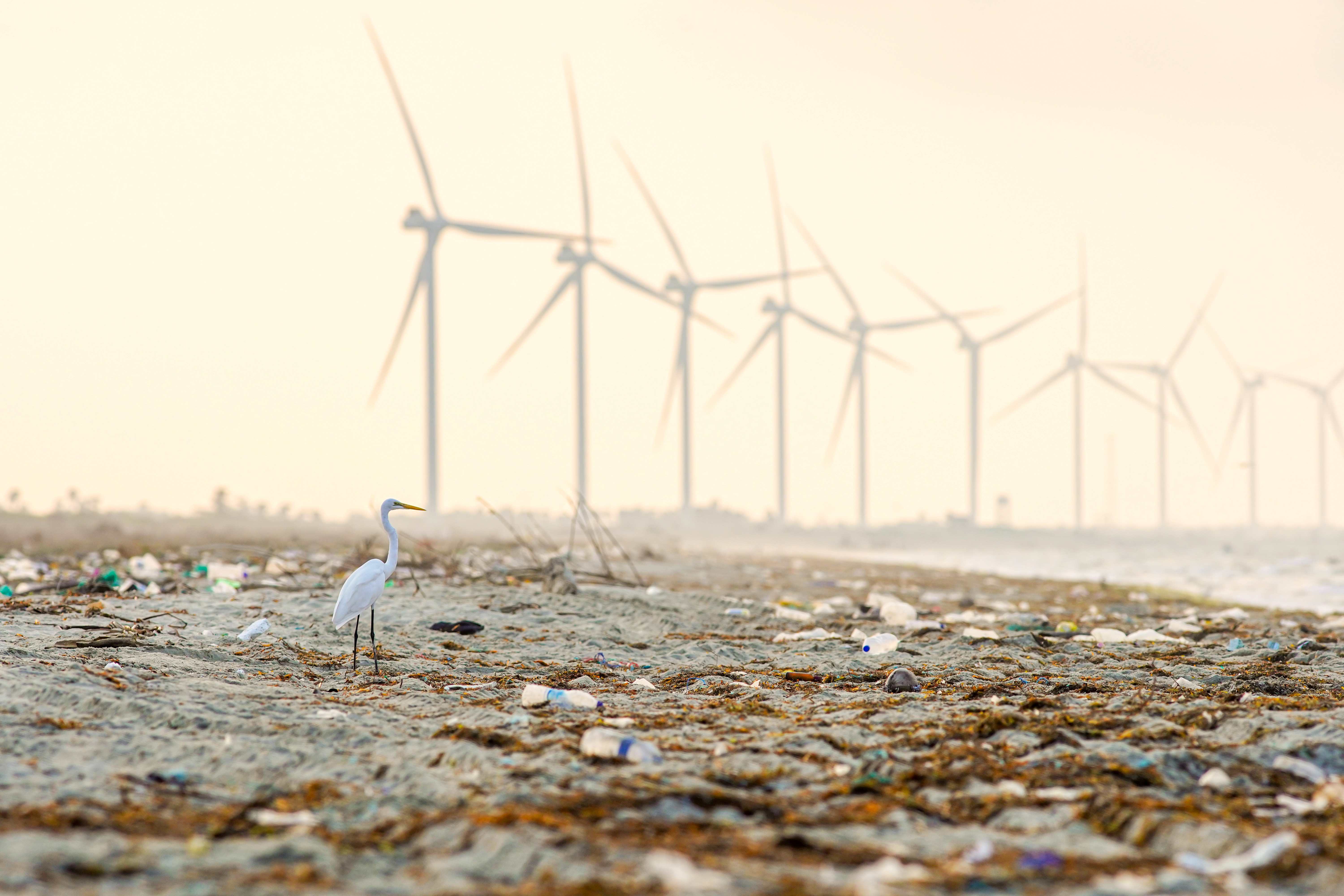
While efforts to mitigate climate change and promote conservation are essential, the exhibition emphasized the importance of a stable legal framework. Clear laws and policies are required to show environmentalists, advocates, and civil society in their efforts to preserve ecosystems, animals, and individuals. Sadly, many of Sri Lanka's environmental rules are out of date and ineffective, creating gaps that prevent sustainable development. Two exceptional pieces vividly described this issue. Nadil Subasinghe's installation, The Flight of the Flamingos, included flamingos dangling from the ceiling. It sent a message surrounding the dangers of migrating birds like the endangered Greater Flamingo, which rely on bird corridors like the Central Asian Flyway. Subasinghe's work brought attention to the proposed Thambapavani Wind Farm Project in Mannar, raising awareness about its potential to interrupt these migratory routes.
Equally poignant was Nimesh Rukshan’s sculpture, which portrayed monkeys chained to a tree, a stark representation of the captivity and exploitation of animals. The chains, terminating in a metallic ring, served as a metaphor for the greed that drives environmental destruction. The powerful message was clear: those who exploit nature for profit ultimately face the consequences of their actions.
These artworks served as a rallying cry for the urgent reform of Sri Lanka’s environmental laws. Stricter regulations and prioritization of conservation are essential to safeguard wildlife habitats and hold violators accountable. By ensuring the protection of the natural world, the country can preserve its rich biodiversity for future generations.
The exhibition's effect was enhanced by an intriguing panel discussion on environmental policy moderated by Revan Weerasinghe, an independent legal practitioner and also the chairperson- Legal subcommittee at WNPS. Dr. Jagath Gunawardena, an experienced environmental lawyer; Mr. Ravi Algama, Attorney-at- Law; Ms. Samadi Hansani; Attorney-at-Law and Ms. Nimshi Hirimbura; Head of Legal, Environmental Foundation Ltd. (EFL) were among the renowned panellists.
The panel emphasized the urgent need for a stronger legal framework to address climate change, particularly through improved adaptation methods. They highlighted substantial challenges, such as understaffed authorities and restricted public access to environmental information. They contended that the current legal system fails to meet increasing environmental challenges. Furthermore, the lack of public awareness and engagement was identified as a significant impediment to effective governance.
To bridge these gaps, the panellists proposed adjusting existing laws to make them more effective and resilient in the face of climate change. Environmental organizations were judged critical for effective lobbying and implementation. They also underlined the significance of raising public awareness, organizing community consultations, and utilizing digital technologies to increase engagement. The careful review of Environmental Impact Assessments (EIAs) and a commitment to intellectual honesty in the process were also emphasized as important next steps.
The Tales of Conservation, which combined the emotional affect of art with the knowledge gotten from expert interactions, highlighted the need for better environmental legislation, enhanced public engagement, and collaborative action. The event communicated how art can go beyond aesthetics and become a strong force for awareness, conversation, and change. Through this we hope Sri Lanka gets closer to preserving its natural heritage for future generations.