

Keeping everyone informed

The Minneriya National Park (MNP) was once the site for the “Great Elephant Gathering”. It had gained international repute and Lonely Planet ranked it as “one of the 10 greatest wildlife wonders of the world”.
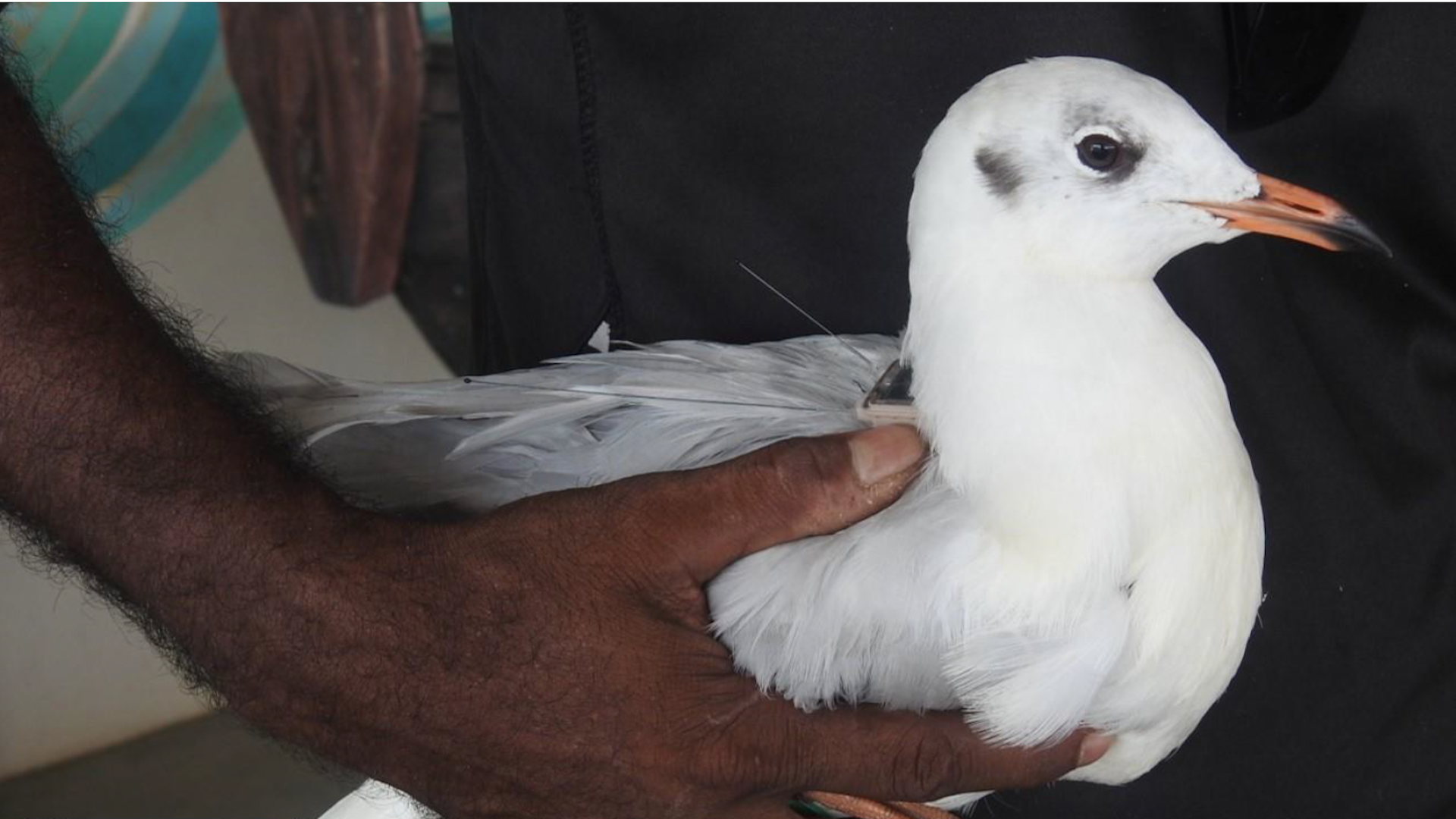
It is with great excitement that we announce the second Himalayan crossing of a tagged bird of our CAF migration tracking project in Sri Lanka.
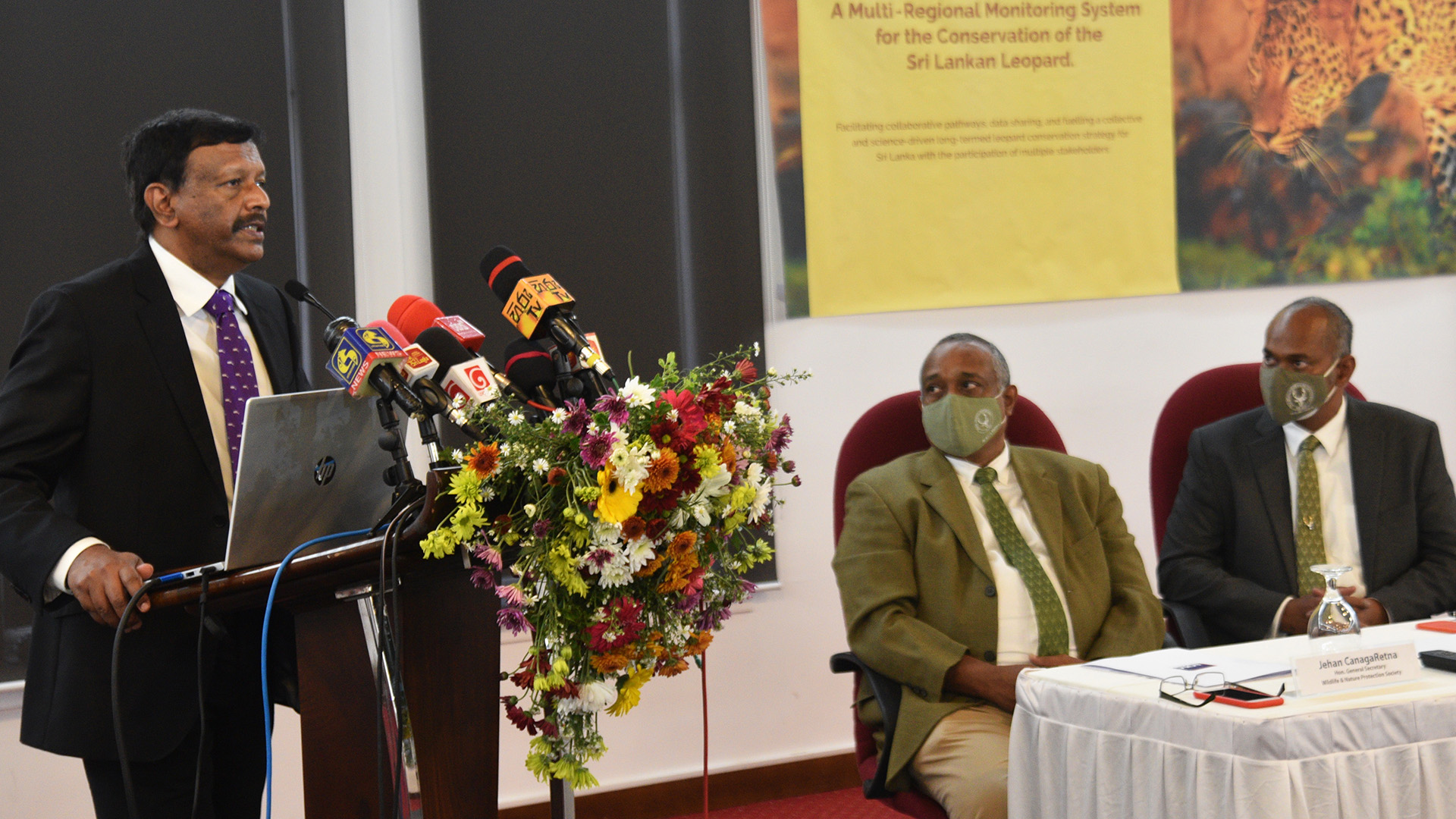
The Sri Lankan leopard (Panthera pardus kotiya) is the largest of the four wild cat species found in Sri Lanka, and the apex mammalian predator on the island. The sub-species of this charismatic animal is endemic to Sri Lanka and widely distributed across the island’s dry zones and low country wet zones with habitats ranging to the cloud forests of the highest elevations in the hill country. It is believed that there are less than 1000 leopards roaming in the wild within the island. Further, the leopard is threatened globally by habitat loss and illegal wildlife trade, while in the human-dominated land-use areas in Sri Lanka, the impacts of habitat loss prevail critically.. To initiate and sustain a science-based conservation strategy it is imperative to further understand the distribution and the ecology of the Sri Lankan leopard, specially, in under-studied areas nationwide.
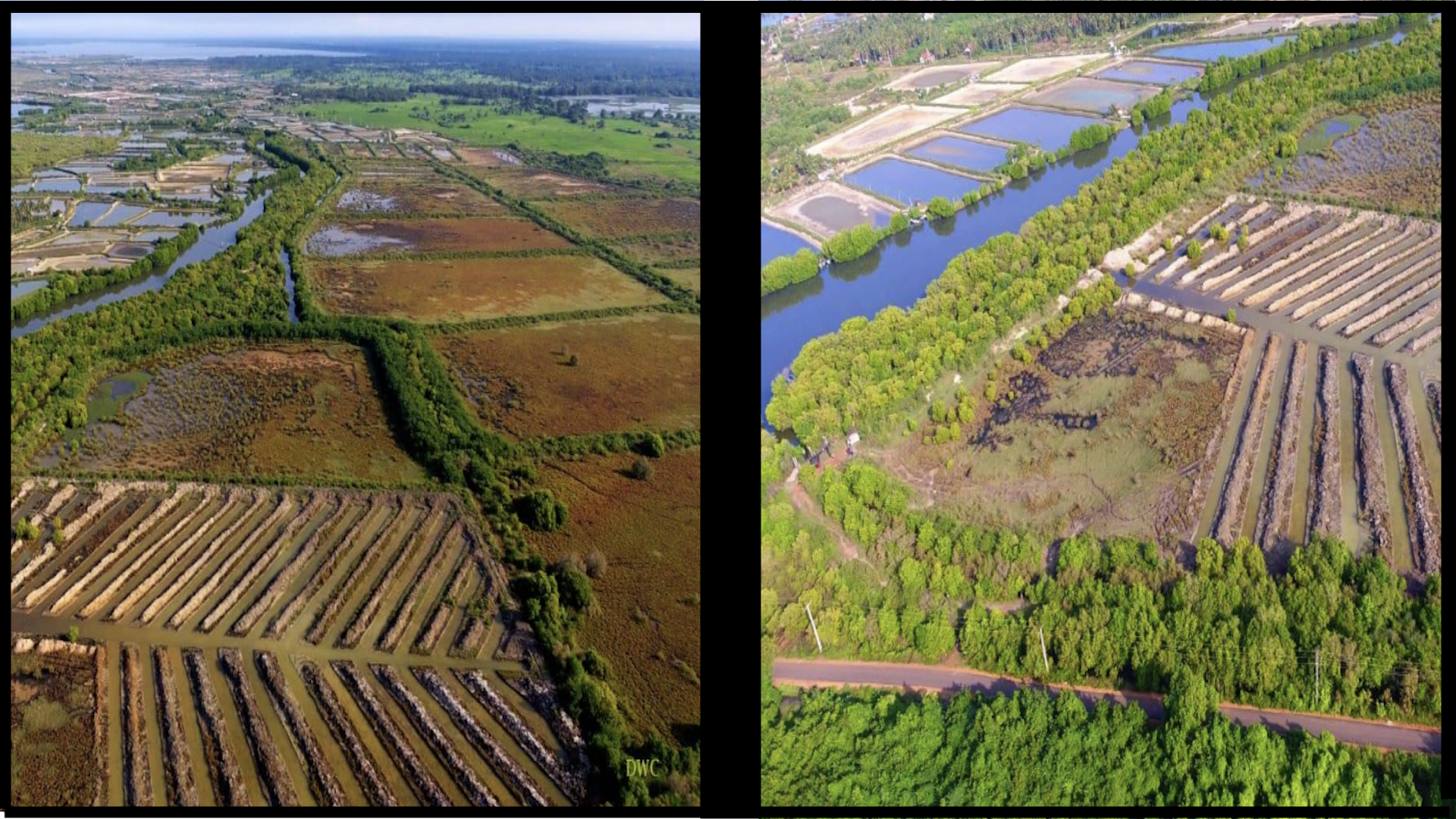
“If there are no mangroves, then the sea will have no meaning. It’s like a tree with no roots, for the mangroves are the roots of the sea!”
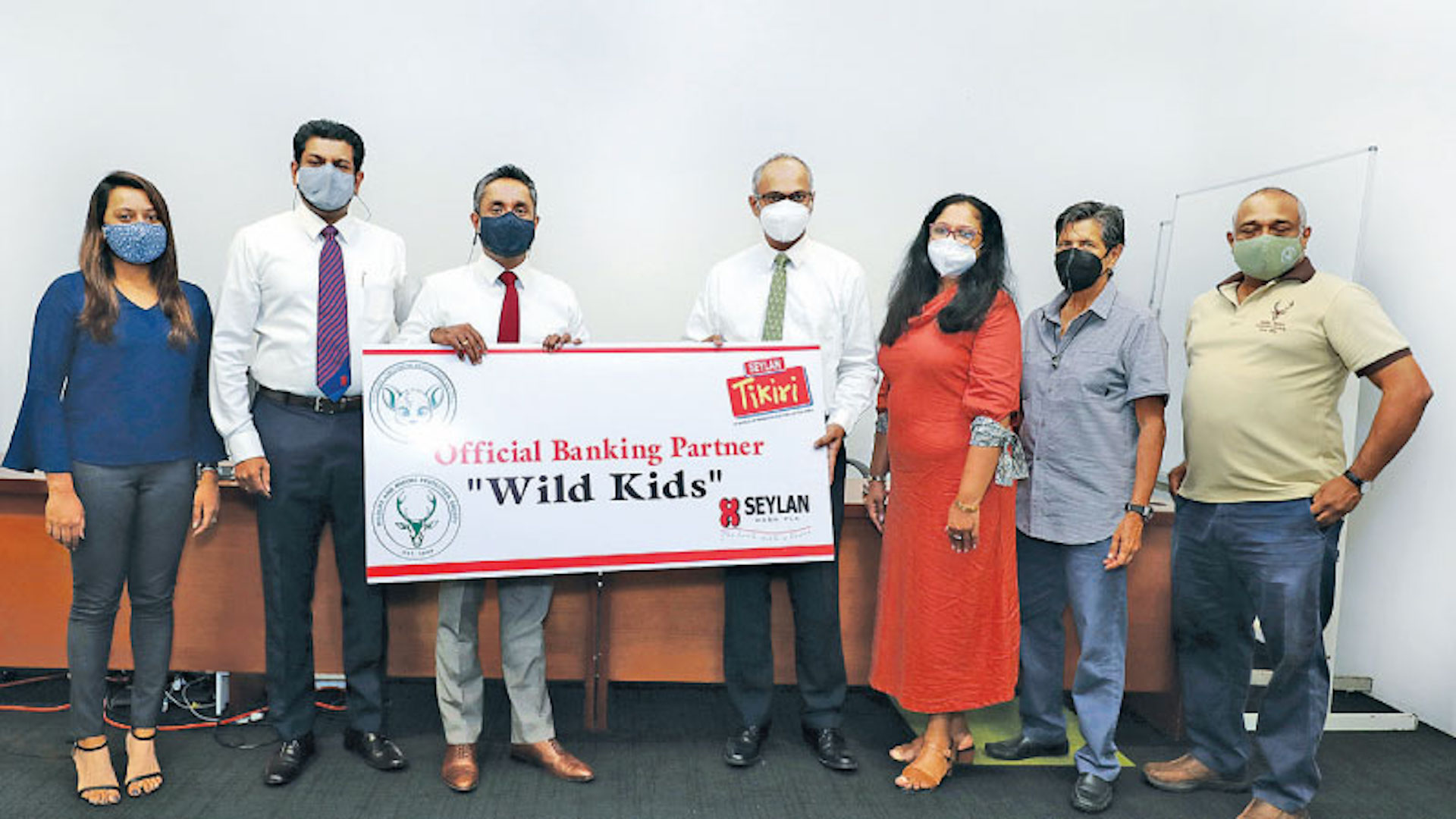
Seylan Bank has announced its partnership with the Wildlife and Nature Protection Society (WNPS) as official banking partner to support the ‘Wild Kids’ initiative; brought forward with the objective of forming an interest in the environment and highlighting the importance of conservation among children through education and fun-filled activities.

WNPS partners with LOLC Holdings PLC to establish a network of specialized leopard conservation locations and research centers across identified geographically important areas within Sri Lanka